Oxymoral PI Diweg-Pukanec and the OXYMORAL Team at the International Conference “Zadar Philological Days 11”
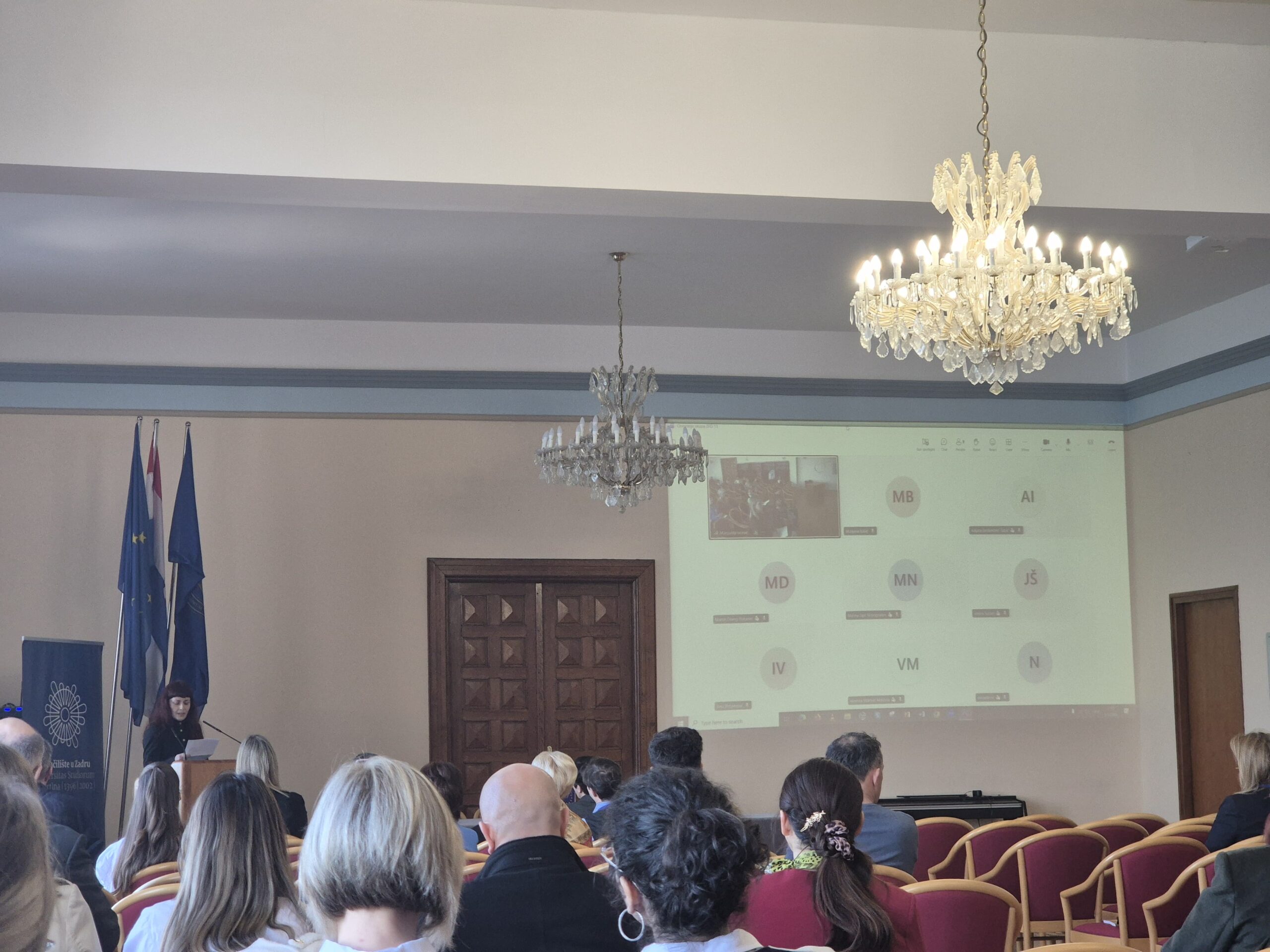
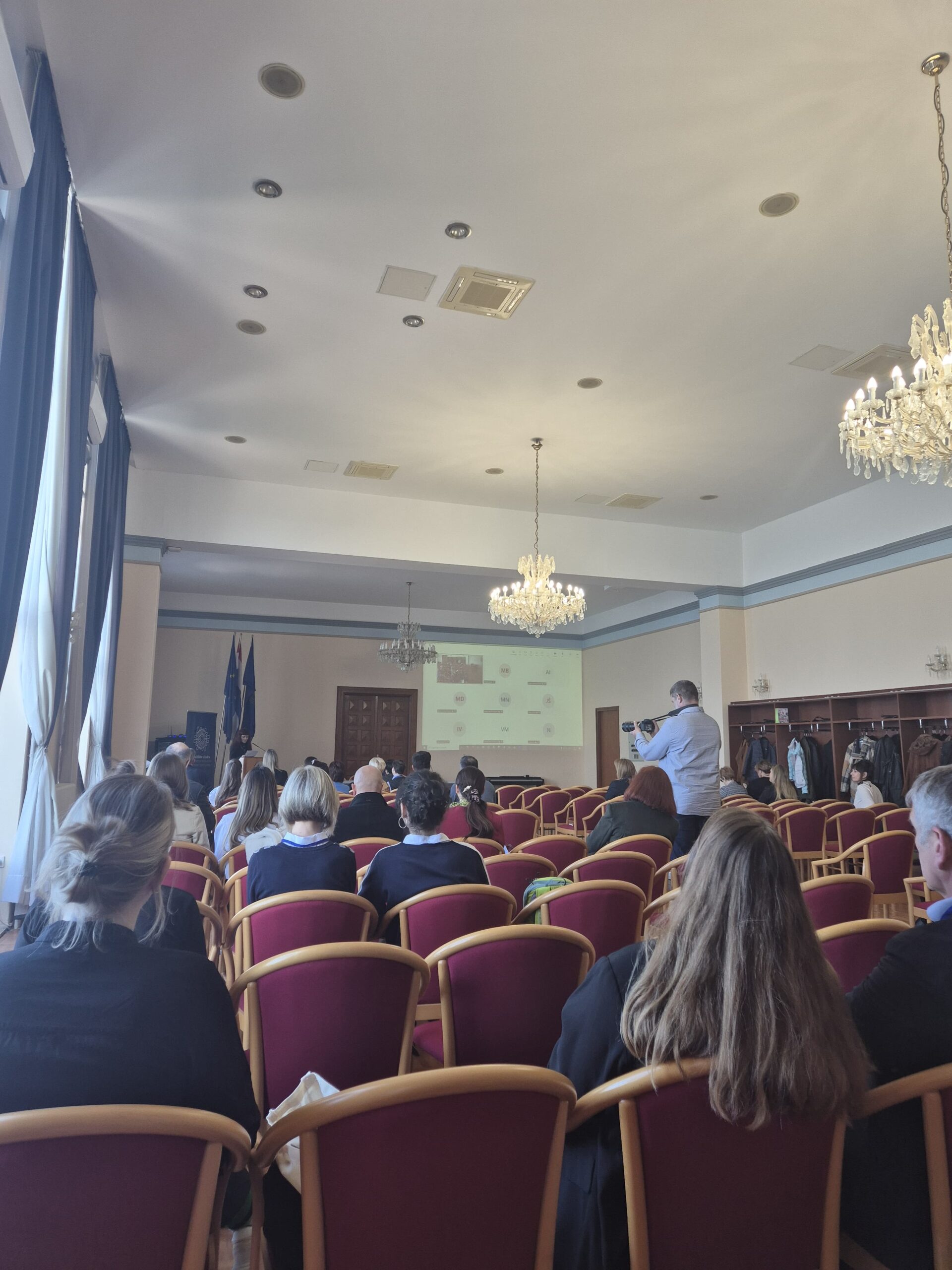
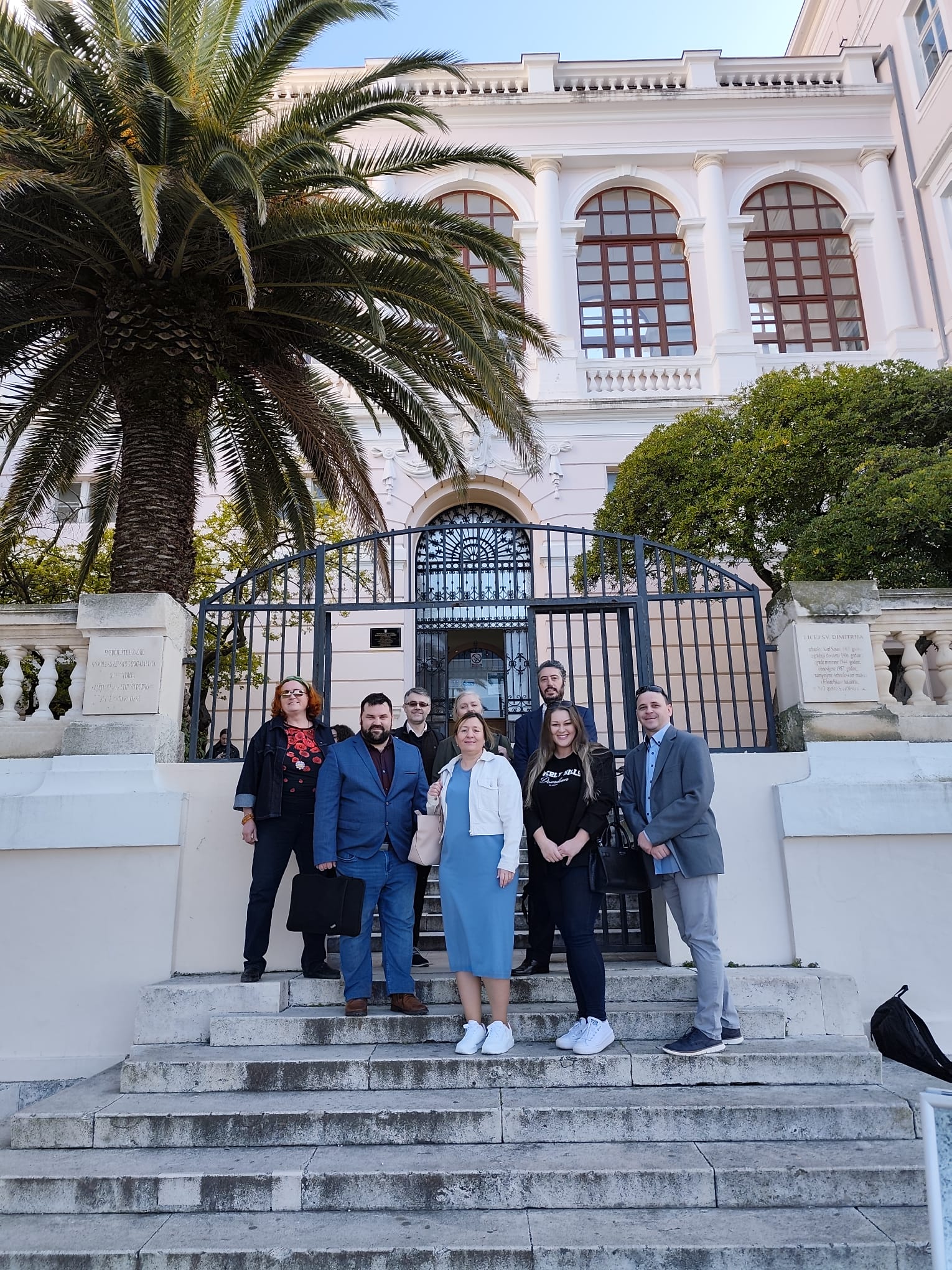
The Principal Investigator of the OXYMORAL project, Prof. Diweg‑Pukanec, together with members of the OXYMORAL research team and colleagues from the Department of Slavic Philologies, Faculty of Arts at Constantine the Philosopher University in Nitra, participated in the international academic conference Zadar Philological Days 11. The conference, titled Language, Literature and Culture – Native and Other Languages, took place at the University of Zadar from 5 to 6 March and brought together scholars working in the fields of linguistics, philology and cultural studies.
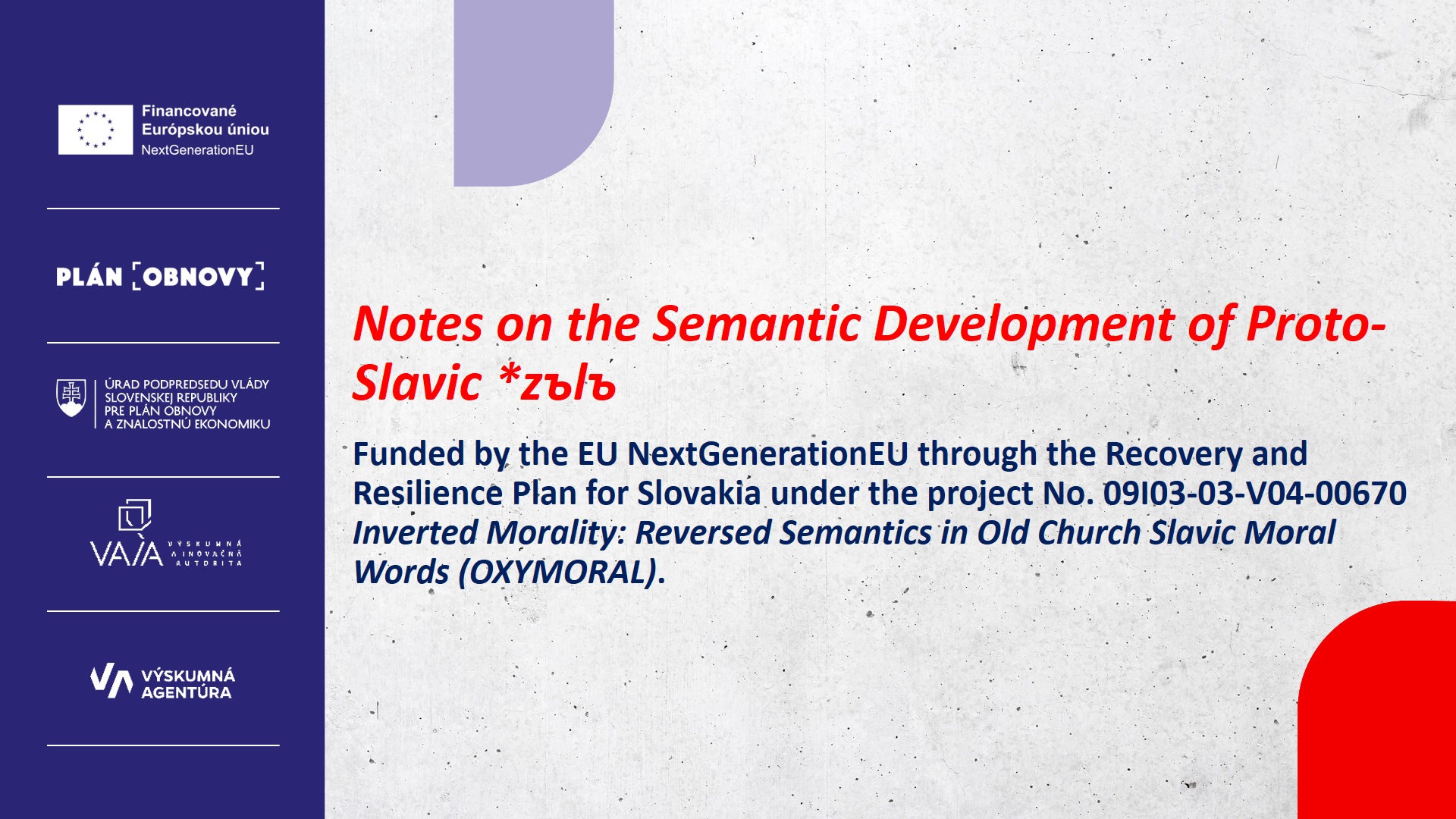
During the conference, Diweg-Pukanec presented “Notes on the Semantic Development of Proto-Slavic zъlъ”. The aim of this presentation was to research enantiosemy concerning the Slavic continuants of Proto-Slavic *zъlъ. Old Church Slavic meaning ‘evil, ill, wicked, bad; злой, плохой; böse, schlecht’ was changed radically in Slovenian and Russian leading to the meaning ‘outstanding: vigilant, alert, diligent, cautious, attentive’ and ‘diligent, eager, capable, skilled; clever, witty’ respectively. This raises questions about the primacy of meaning and the reason and time of semantic change. The first argument in favour of Christianity not changing the meaning of ‘outstanding, diligent’ to ‘evil, bad’ in the style of, say, Friedrich Nietzsche’s reflections is the broader Slavic lexical and semantic material with evidence of the adjectives, adverbs, and compounds from the earliest times (Freising Manuscripts and others). The second argument that the meaning ‘evil, bad’ is older, even much older than ‘outstanding, diligent’, attested in Slovenian as well as Russian dialects, is the etymology of the Proto-Slavic adjective *zъlъ, which can be semantically linked to the etymological interpretation of the Proto-Slavic term *grěxъ ‘sin, wrongdoing’. This shows a certain solid logic behind the semantic changes in the Old Church Slavic period, or rather the adoption of Christianity. However, the positive meanings of Slovenian continuants of Proto-Slavic zъlъ only developed during the Counter-Reformation, as did some other positive meanings of moral words in the Adriatic region, especially in Croatian.
In addition to this presentation, other members of the OXYMORAL team and colleagues from the Department of Slavic Philologies also contributed with their own papers and participated in scholarly discussions throughout the conference. The participation of the team at this international event helped further disseminate the research results of the OXYMORAL project and strengthened academic cooperation with international scholars in Slavic linguistics and philology.
Galéria