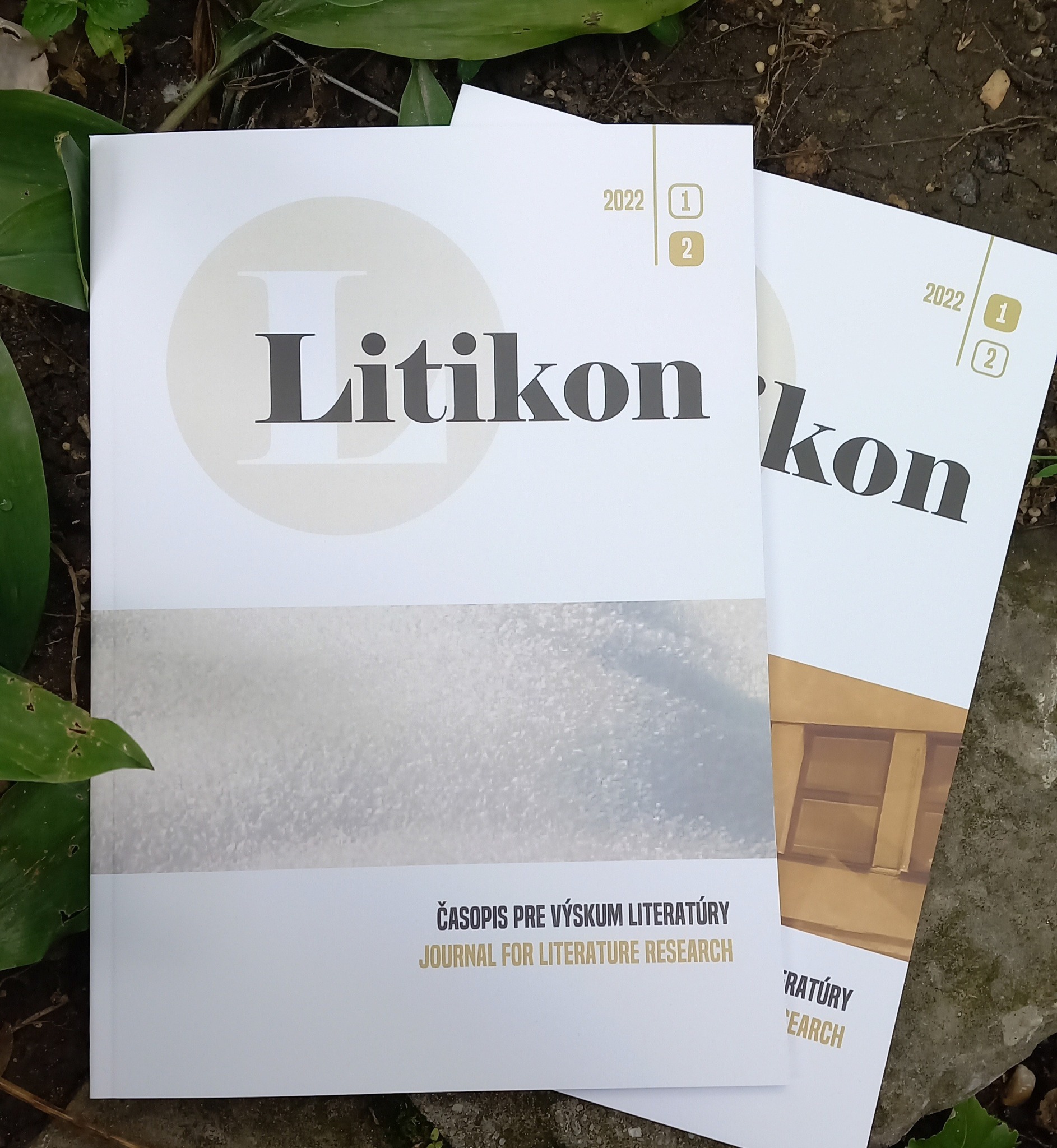
JUST PUBLISHED: M. Diweg-Pukanec, „Renaissance Virtue in Verse and Prose: Rakovský’s Thalia and Machiavelli’s Il Principe“
The aim of this paper in Litikon (2025, Vol. 10, No. 2, pp. 53-64) is to compare Martin Rakovský’s conception of Renaissance virtues of rulers, presented in his book De magistratu politico: Thalia, with Machiavelli’s interpretation of these virtues in The Prince. Apart from understanding the virtues according to both authors, the main objective of this study is to determine the possible influences of The Prince on Rakovský’s Thalia. As the article shows, the comprehension of virtues in these two works was sometimes more similar (prudence, audacity), sometimes less similar (piety, justice, temperance, munificence, clemency). With regard to the influence of The Prince on Rakovský’s Thalia, this is apparent mainly in (1) the first half of the section on Rakovský’s second virtue, prudence, which is semantically (and illogically) contradicted by other parts of his work, (2) the second half of the section on prudence, which is identical in terms of semantics and composition to Chapter XXIII of Machiavelli’s The Prince, and finally (3) Rakovský’s distich 653 – 654 from the section on audacity, especially the wording of verse 654.
The article was funded by the EU NextGenerationEU through the Recovery and Resilience Plan for Slovakia under the project No. 09I03-03-V04-00670 Inverted Morality: Reversed Semantics in Old Church Slavic Moral Words (OXYMORAL).
Galéria